Massage During a Heatwave: How to Stay Safe, Supported, and Regulated
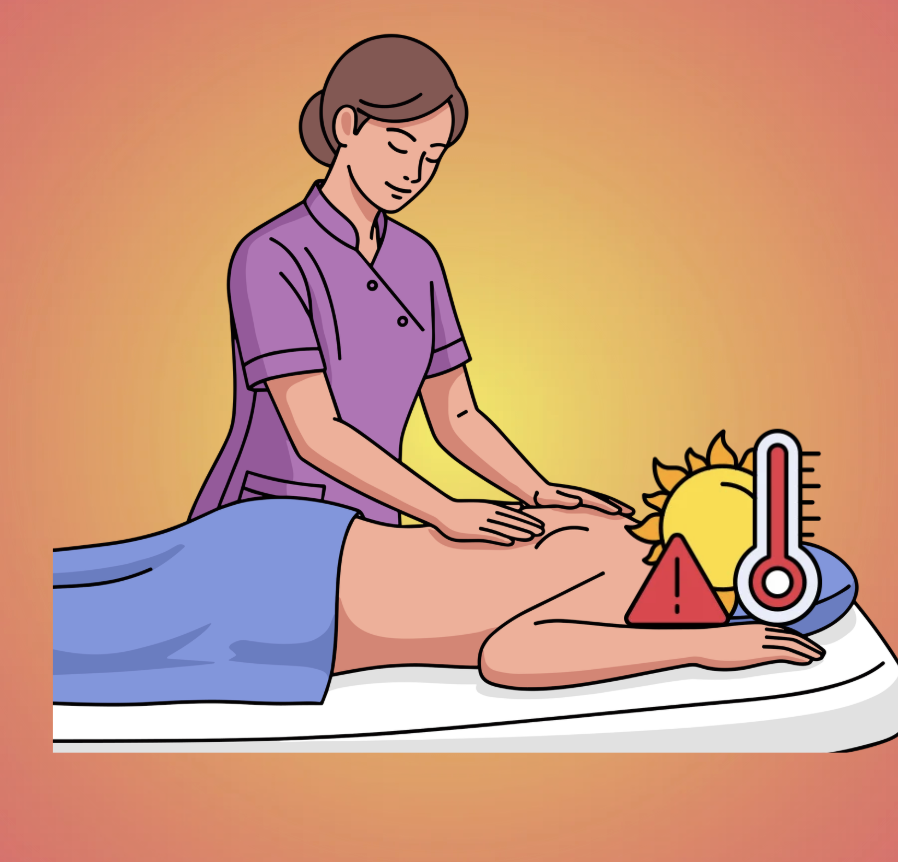
This guide will help you understand how to stay safe, when to reschedule, and how to get the most out of your session during periods of extreme heat.
Extreme heat impacts more than just comfort; it directly affects your body and mind. It impacts your nervous system, hydration levels, circulation, and overall physiological resilience. If you have a massage scheduled during a heatwave, it is important to approach your session with additional awareness and care.
Massage therapy can be deeply supportive during times of physical and emotional stress. However, heat places added demand on the body, and receiving bodywork while overheated or dehydrated can shift the experience from restorative to overwhelming.
Understanding How Heat Affects the Body
Before deciding whether to book an appointment or reschedule, it helps to understand what is happening internally during a heatwave.
When temperatures rise, your body works harder to maintain a stable internal environment. This process includes increased sweating, changes in circulation, and shifts in electrolyte balance. Blood vessels dilate to release heat, your heart rate may increase, and your hydration needs rise significantly.
Massage therapy also influences circulation, lymphatic flow, and nervous system regulation. While these effects are typically beneficial, combining them with heat stress can sometimes overwhelm the body, especially if you are already fatigued, dehydrated, have a history of heat sickness, or are sensitive to temperature changes.
For clients who are already navigating stress, trauma recovery, chronic illness, or nervous system dysregulation, heat can amplify sensations such as fatigue, irritability, dizziness, or disorientation.
This is why heat-conscious care is not just about comfort; it’s about safety and regulation.
General Heat Wellness Tips Before Your Appointment
If you plan to keep your massage appointment during a heatwave, supporting your body ahead of time is essential.
Start with hydration. Drinking water consistently throughout the day is far more effective than trying to “catch up” right before your session. Consider incorporating electrolytes if you have been sweating heavily or spending time outdoors.
Be mindful of substances that contribute to dehydration. Caffeine and alcohol can increase fluid loss and place additional strain on your system, especially in high temperatures.
Clothing also plays a role. Lightweight, breathable fabrics can help your body regulate temperature more effectively before and after your appointment. Consider wearing loose comfortable clothing to your appointment.
Try to limit direct sun exposure in the hours leading up to your session. Even a short period of overheating can linger in the body longer than expected, especially if humidity is high.
Most importantly, begin tuning into your body early. Subtle signs like low energy, brain fog, or irritability can indicate that your system is already working hard to cope with the heat.
Massage works best when your body has enough capacity to receive it.
When to Reschedule: Listening to Your Body
One of the most important aspects of trauma-informed care is honoring your body’s signals (interoception). Rescheduling your massage during a heatwave can be a form of self-attunement.
There are certain signs that suggest your body may not benefit from massage in extreme heat conditions.
Pay attention to any dizziness, nausea, or headaches. These can be early indicators of heat-related stress. Excessive fatigue, weakness, or difficulty concentrating may also signal that your system is already taxed.
If you plan to commute to your appointment, ask yourself if it’s worth the risk of relying on CTA. If you’re prone to heat illness, it might be best to reschedule.
If you’re driving, give yourself time to find street parking since it’s Cubs season, and it might be a challenge, or use the valet.
Massage increases circulation and can further elevate internal temperature. If your baseline state is already dysregulated due to heat, adding massage can intensify discomfort rather than relieve it.
More serious warning signs include heavy sweating combined with clammy skin, a rapid pulse, or feelings of disorientation. These may point to heat exhaustion and should not be ignored.
Dehydration is another key factor. If you notice dark urine, dry mouth, or persistent thirst despite drinking fluids, your body may need time to rehydrate before receiving bodywork.
Rescheduling in these situations is a proactive choice that protects your well-being and ensures that your next session can be more effective.
When in doubt, send a text message or email stating your concerns and we can discuss what’s right for you.
How to Prepare for a Massage During a Heatwave
If you choose to move forward with your appointment, preparation can make a significant difference in how you experience your massage.
Hydration remains the foundation. Aim to drink water steadily in the hours leading up to your appointment rather than consuming large amounts all at once.
Eating a balanced meal an hour or two hours beforehand can help maintain blood sugar levels and prevent lightheadedness. Avoid heavy or overly rich foods that may increase discomfort in the heat.
A cool shower before your massage can help bring your body temperature down and create a sense of reset. This can be especially helpful if you have been outside or active earlier in the day.
Arrive a few minutes early. This allows your body to transition from the excessive heat into a cooler space. Even a short period of rest in the lobby can help cool you down.
Communication is key. Let Singeli know how you are feeling physically and mentally. Pressure, pacing, positioning can be adjusted to meet your needs in the moment.
Massage is a collaborative process, and your feedback helps shape a more comfortable experience.
How Your Session Is Adapted for Heat Safety
During periods of extreme heat, your massage experience may look slightly different, and these changes are intentional.
Additional heat elements are removed to prevent unnecessary strain on your body. Hot stone services are paused, heated towels are not used, and the table warmer is turned off.
Airflow is prioritized, with a fan running to support circulation and comfort. The building is equipped with central air conditioning to help maintain a stable environment. However, the office is on the 5th floor and heat rises so I will do my best to provide a comfortable treatment room to the best of my ability.
If the treatment room rises above 75 degrees F and remains there, sessions will be rescheduled for that day.
These adjustments are designed to create a space where your body can settle rather than work harder to regulate itself.
Safety, comfort, and nervous system support guide every decision.
After Your Massage: Supporting Integration in the Heat
The care you provide your body after a massage is just as important as the session itself, especially during a heatwave.
Continue hydrating throughout the day. Massage encourages fluid movement within the body, and replenishing those fluids helps support recovery and prevent fatigue.
Try to avoid direct sun exposure or intense outdoor activity immediately after your session. Your body may be in a more relaxed and open state, making it more sensitive to environmental stress.
Rest is highly beneficial. Even a short period of quiet time can help your nervous system integrate the work and extend the benefits of your session. Even better if you’re able to take a quick nap or relax for the rest of your day.
Nourishing foods and beverages can also support recovery. Fresh fruits, vegetables, and drinks that include electrolytes can help restore balance and energy levels.
You may notice subtle shifts in how your body feels, such as changes in muscle tension, mood, or pain/discomfort levels. Taking a few moments to check in with these sensations can deepen the impact of your massage and support ongoing regulation.
Why Consistency Matters Especially in Extreme Weather
Massage therapy is often thought of as an occasional treat, but its greatest benefits come from consistency.
During periods of environmental stress, such as extreme heat, your body and nervous system is working harder to maintain balance. Regular massage can support this process by promoting circulation, reducing muscular tension, and encouraging parasympathetic (rest-and-digest) activation.
For clients navigating chronic stress, trauma recovery, or living with a chronic condition, consistent care provides a foundation of support rather than a temporary reset.
Membership options can make this consistency more accessible and sustainable. They also create built-in reminders to prioritize your well-being, even when life becomes busy or unpredictable.
If you are looking to maintain regulation, reduce stress, and support your body through seasonal changes, ongoing care can make a meaningful difference.
To book your next session or explore membership options for consistent care, click the button below.