Why Neck and Shoulders Matter
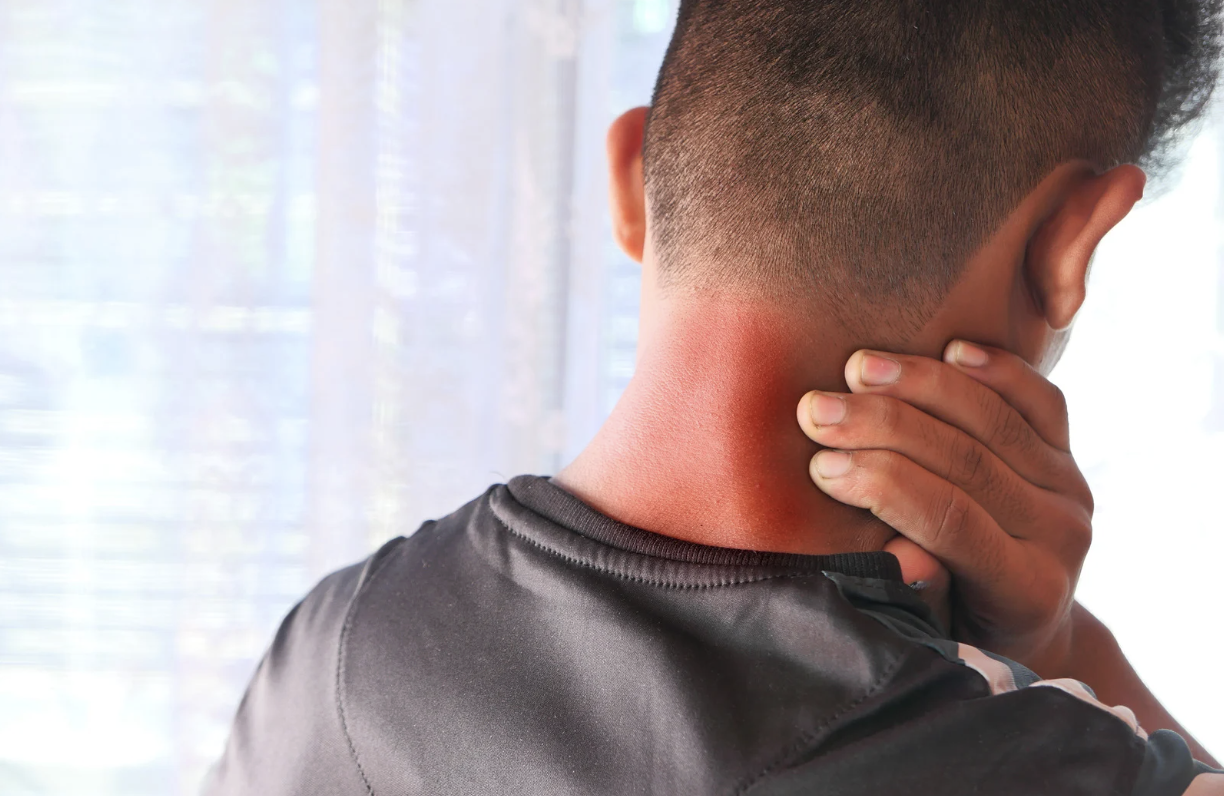
When people think about jaw pain, they often focus only on the jaw, face, and head. But the jaw is closely connected to the muscles of the neck, upper back, and shoulders, which means tension in one area can easily affect the others. If your neck is braced or your shoulders live a little too close to your ears, your jaw may be compensating more than you realize. That’s why when you come in for a TMJ-D treatment, I spend time in these areas since everything is interconnected.
The jaw-neck connection
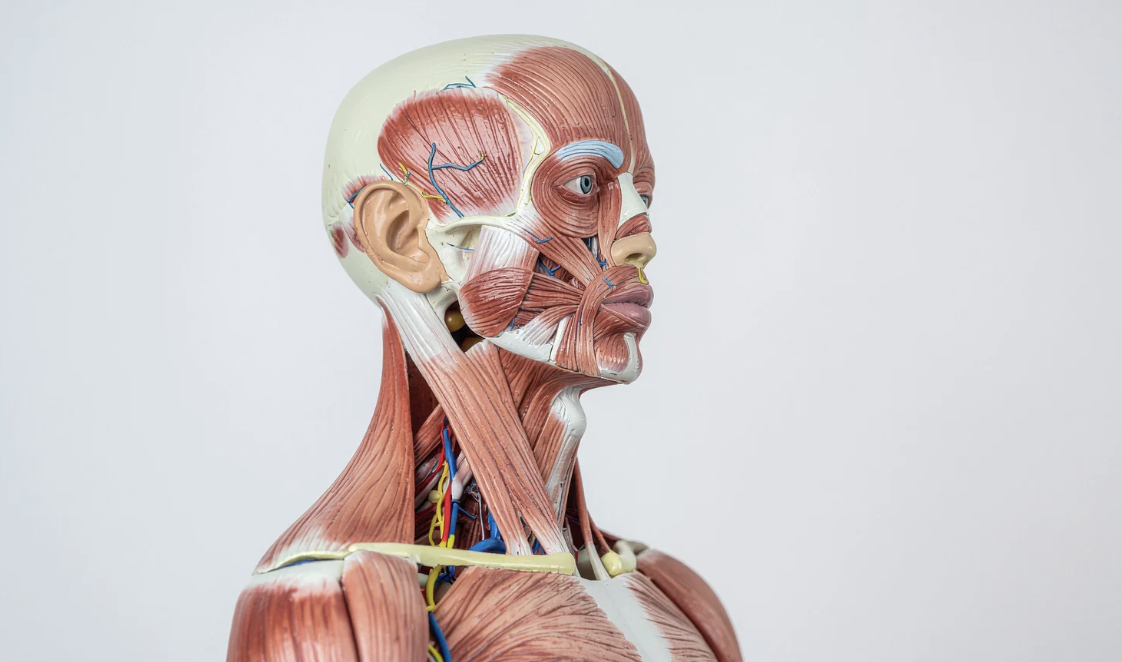
The muscles that support the jaw do not operate in isolation. They work alongside the neck and shoulder muscles to help stabilize the head and support movement. When these surrounding muscles are tight, overused, or fatigued, the jaw can pick up extra strain. This may show up as clenching, limited mouth opening, headaches, or the feeling that the face is “holding” too much. A broader view helps explain why some people get more relief from combined treatment than from working on the jaw alone.
Posture and daily habits
Long hours at a desk, looking down at a phone, driving, carrying stress in the shoulders, and shallow breathing can all contribute to jaw tension. Even the way you sleep can matter. Over time, these habits may create a pattern where the jaw remains subtly braced, especially during stressful periods. The body adapts to what it repeats, which is why small changes in awareness can help shift pain patterns over time. Massage can help interrupt that cycle by making overworked muscles easier to notice and release.
What targeted massage can support
Targeted massage of the head, neck, and shoulders may help reduce overall tension load, improve comfort, and support easier movement in the jaw area. It can also help the nervous system shift out of constant guarding. Many people find that when the neck and upper traps soften, the jaw feels less tense too. This is one reason bodywork for TMJ symptoms often includes more than just facial work.
What clients often notice
People frequently report feeling lighter, less compressed, or more “open” after treatment. Some people notice that it’s easier to move their mouth and like their shoulders have dropped several inches. Others become aware of how often they are unnecessarily tensing their jaw only after the surrounding muscles relax. That awareness is valuable because it creates a pause between habit and reaction. From there, new patterns can begin to form.
Closing thoughts
If the jaw is part of the story, the neck and shoulders usually have something to say too. In the next post, we’ll talk about intraoral massage, including why going inside the mouth can be so effective for deep jaw tension.
When the neck and shoulders stay tight, the jaw often works harder than it should. A targeted massage session can help soften those surrounding patterns and support a more relaxed, balanced body. If you’re noticing tension in your jaw, neck, or upper back, I’d love to support you. Click the button below to book your TMJ massage and experience the relief for yourself.