What Is TMJ-D?
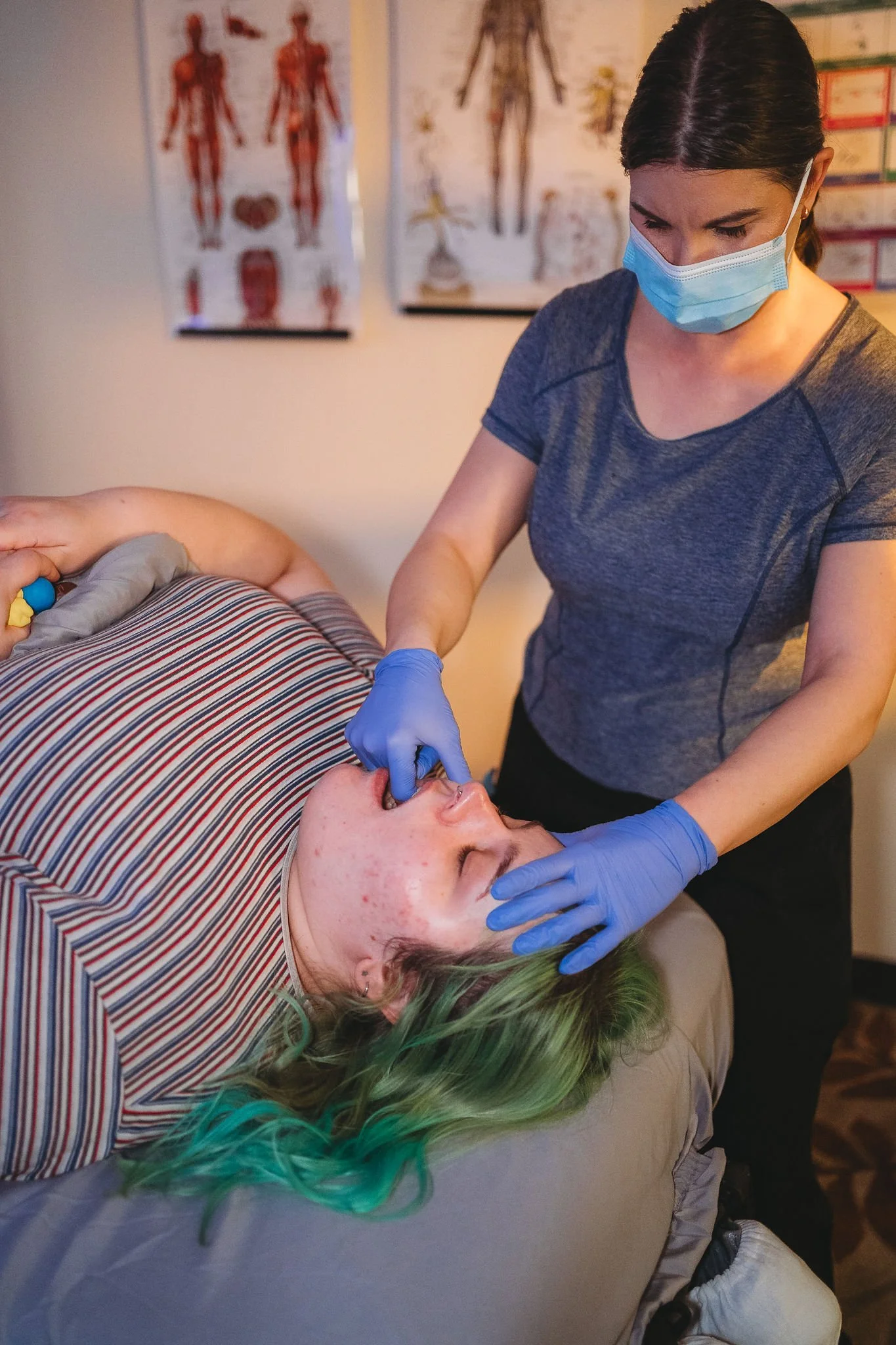
If you’ve ever felt tightness in your jaw, soreness around your ears, headaches, migraines, or a sense that your face is carrying more tension than it should, you may be familiar with TMJ-D. TMJ-D stands for temporomandibular joint dysfunction, and it refers to problems involving the joint that connects the jaw to the skull, along with the muscles that help you chew, speak, and yawn. TMJ discomfort can be frustrating because it often affects more than just the jaw. It can show up in the head, neck, shoulders, and even in the way your body holds stress.
Common signs of TMJ-D
TMJ-D can look different for everyone, but some common signs include jaw pain, clicking or popping in the joint, difficulty opening the mouth fully, facial tension, headaches, migraines, and clenching or grinding your teeth. Some people also notice ear pressure, neck tightness, or pain that seems to travel into the upper shoulders. Because the jaw is part of a larger system, tension in one area can easily affect nearby muscles and movement patterns.
Why tension builds
Jaw tension often has multiple contributors. Stress, posture, clenching habits, sleep positioning, and repetitive holding patterns can all play a role, even drinking from your favorite water bottle can be a culprit (think about the position your mouth has to take when you sip from your Stanley or chug from your Owala multiple times a day). For many people, jaw tension is not just a mechanical issue; it can also be tied to nervous system activation and patterns of bracing. When the body feels it needs to stay on alert, the jaw is one of the places that often holds that strain. Understanding that connection can make care feel less random and more compassionate.
How massage can help
Massage can help reduce muscle tension in the jaw, neck, shoulders, and surrounding tissues. Techniques like Precision Neuromuscular Therapy (PNMT), Craniosacral Therapy, and heated bamboo therapy can target the muscles and bones to reduce tension and help ease symptoms while re-aligning the jaw and returning it to a state of ease. For many people, improving circulation, decreasing muscle tension, and creating more awareness of clenching patterns can make a meaningful difference. The goal is not to force the jaw into relaxation, but to invite the body toward it. I’m not going to lie, this is not a comfortable massage if you choose intra-oral. Most people on my massage table will cry because it can be painful and I ensure we take plenty of breaks and there is constant checking-in and obtaining consent prior to engaging with the tissues inside the mouth. I advise folks to take an NSAID of their choice an hour before the massage because some of the techniques such as the PNMT will cause inflammation. However, all of my clients have experienced immediate relief and believe the pain is worth it since we are working to get the muscles and blood moving again (sometimes after decades of being held in a certain position). I always work within people’s comfort levels, offer distractions or fidget toys, and we go at your pace. There are less invasive methods I use, including Craniosacral therapy, a gentle, slow therapy that aims to restore the balance of your cranial bones, as well as a neck and face massage with heated bamboo tools (beginning August 1st after I complete my training). The goal is for you to leave the session feeling like your symptoms have improved. One session may not “fix” chronic jaw tension, but with consistent care, patience, and a pace that honors your comfort, many clients find lasting relief and a renewed sense of ease in their jaw, neck, and shoulders.
Closing thoughts
If your jaw has been feeling overworked, you are not imagining it. TMJ-D can be uncomfortable, but there are supportive ways to care for it, including massage. In the next post, we’ll look more closely at how the neck and shoulders connect to jaw tension and why targeted massage there can be so helpful.
If you’ve been dealing with jaw pain, clenching, headaches, or facial tension, you do not have to keep carrying it alone. TMJ-D can be uncomfortable, but supportive bodywork may help create more ease in your jaw, neck, and shoulders. If you’re ready to explore relief, I invite you to click on the button below to book a TMJ-D massage with Singeli at Elevate Healing Arts in Lakeview.