Choosing Care That Feels Safe, Supportive, and Right for You

This will be the last blog post in the series on trauma-informed massage. Next month, we’ll focus on TMJ-D, intraoral and buccal massage, and how targeted massage of the head, neck, and shoulders could benefit you.
If you have been following this series, you already know that trauma-informed massage is about more than technique.
It is about creating a treatment experience that feels safe, respectful, and responsive to the person on the table.
For many people, that difference is what makes massage feel healing instead of overwhelming. Trauma-informed massage is an approach, not a single technique. It means the therapist understands that clients may carry different histories, different comfort levels, and different relationships to touch
This final post is both a closing thought and an invitation. If you are looking for a massage that supports stress reduction, body awareness, and a more grounded relationship with yourself, I want to help you understand why that matters and what to look for in a therapist.
Why the Right Fit Matters
Many people who seek trauma-informed massage are looking for a therapist who can meet them with steadiness, respect, and skill. That matters because massage can be most effective when the nervous system feels safe enough to receive it. A supportive environment can make it easier to relax, let go of guarding, and reconnect with the body in a more positive way.
In a trauma-informed session, you can expect:
• Clear communication before and during the session.
• Respect for your boundaries and preferences.
• A slower or more adjustable pace when needed.
• Space to pause, change direction, or ask questions.
• A therapist who works with your comfort, not against it.
Why Choose Me
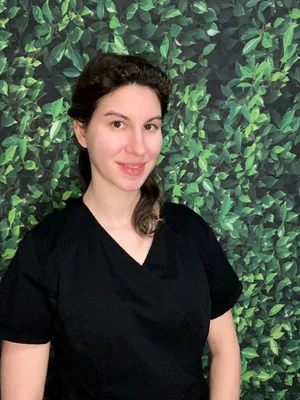
My work is shaped by body awareness, trauma-informed care, and a deep respect for the connection between physical tension and emotional experience.
I do not treat your body like a problem to fix. I treat you like a whole person who deserves thoughtful, collaborative care.
My goal is to help you feel more at ease in your body, more supported in your body, and more confident in the care you are receiving.
What I bring is not just technique. I bring listening, adaptation, and a trauma-informed lens that centers your experience from start to finish. I haven’t mentioned this in this series, but I am in graduate school for my Master’s of Social Work and bring in the guiding principles of social work into the treatment room when working with trauma .
What Healing Can Feel Like Here
Healing does not always begin with a dramatic breakthrough. Sometimes it starts with a slower breath, a little less guarding, or the feeling that you do not have to explain yourself in order to be cared for.
In my practice, I want the massage room to feel like a place where your body can settle without pressure. That means I pay attention to the small things that shape your experience: the pace of the session, the language I use, the way I check in, and the space I leave for your body to lead.
For many people, being cared for in a trauma-informed way means finally experiencing touch as something grounding instead of something they have to brace against. It means the session is not about fixing you or pushing you past your limits. It is about creating enough safety for your system to soften, receive, and respond in its own time.
That kind of care matters because it reminds clients that their comfort is not an afterthought. It is part of the treatment itself.
Book your session
If this series has resonated with you, the next step is simple: choose the kind of care that makes your body feel safer, not more guarded.
That choice matters, and it can shape the way you experience massage long before the session begins.
Trauma-informed massage is not about doing more. It is about doing what is needed, with care, clarity, and respect.
If you are looking for a trauma-informed massage therapist who values comfort, communication, and collaborative care, I would be honored to work with you.